Skip to exhibition
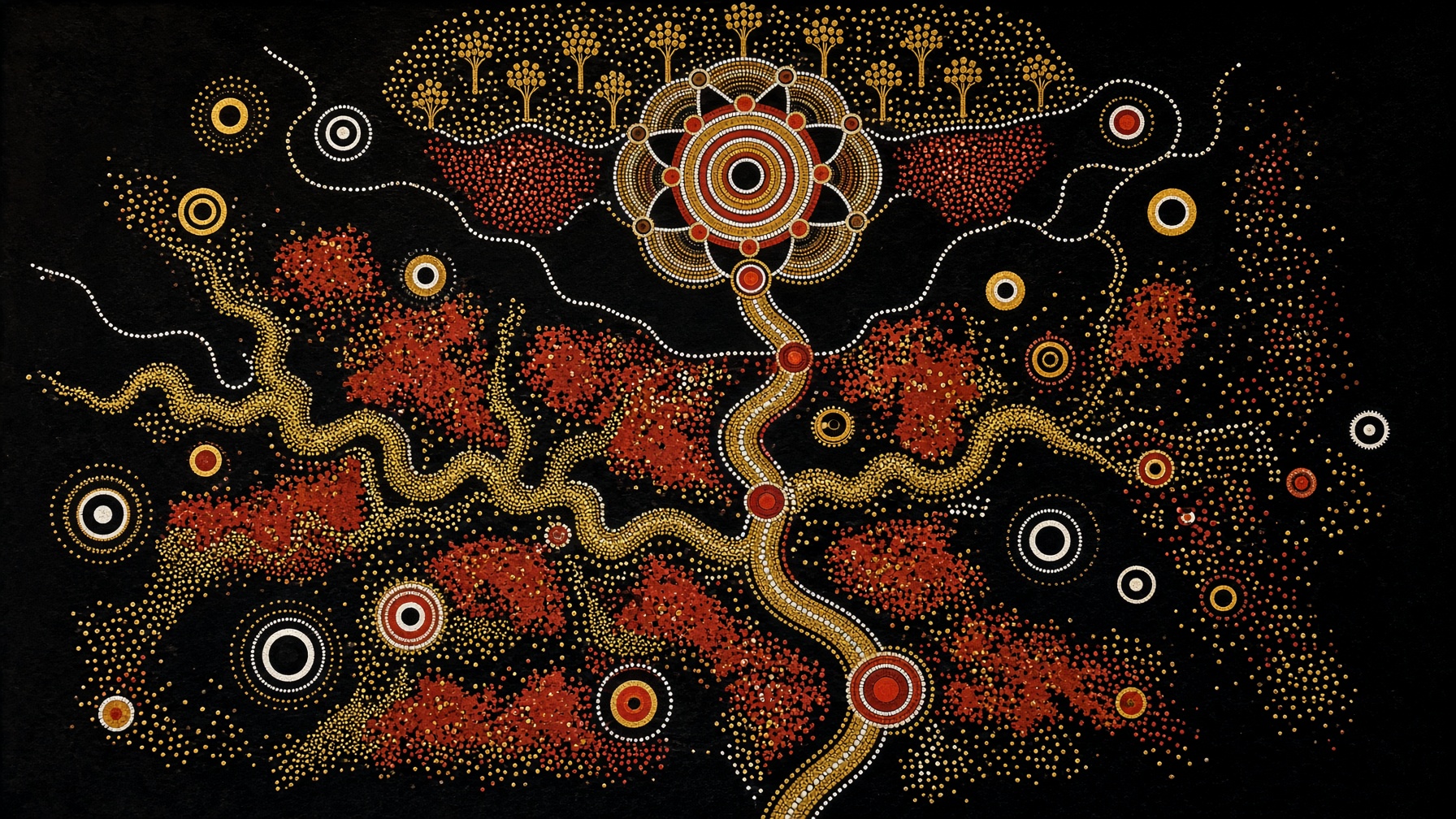
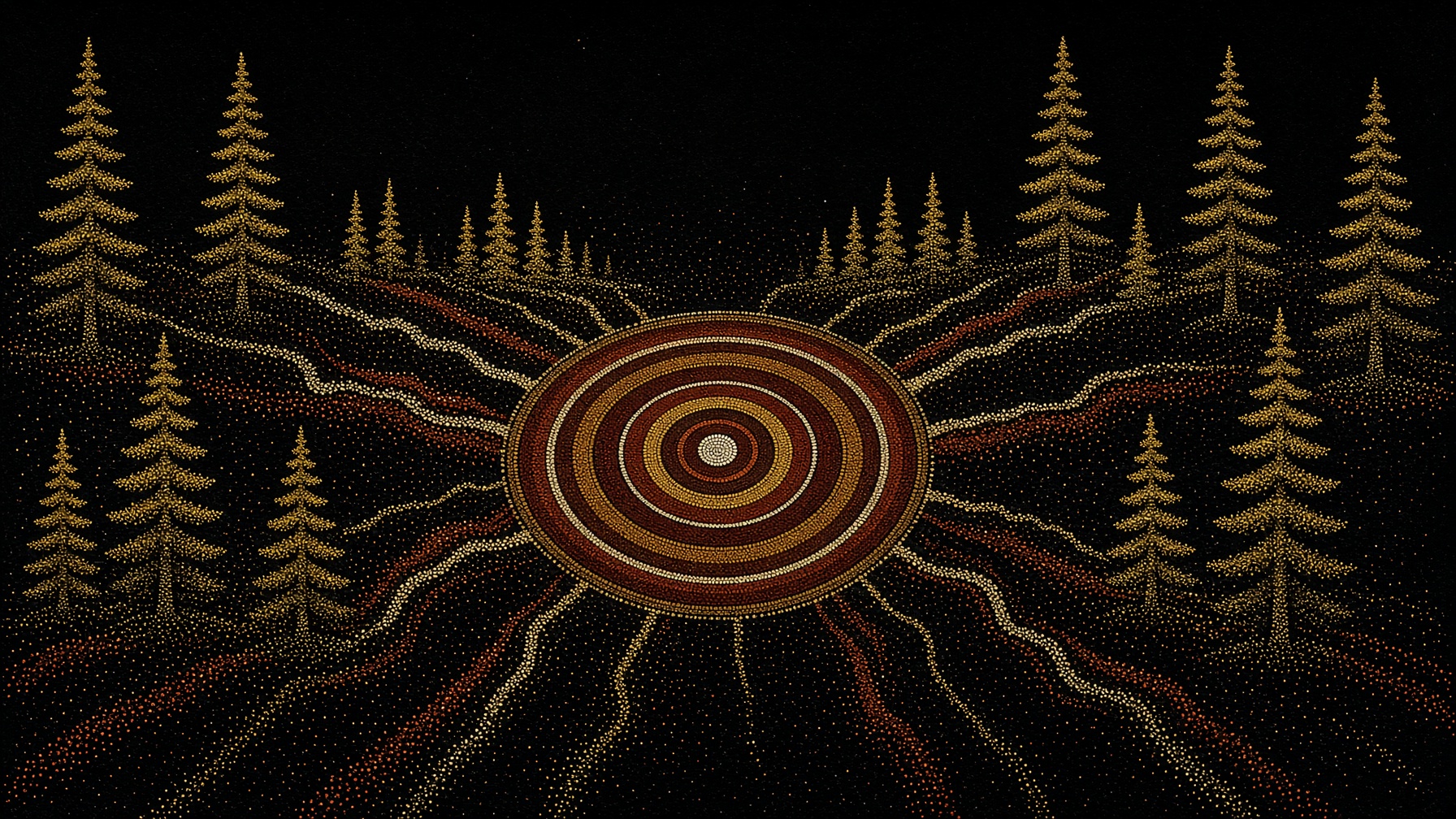
Bunya Mountains country at night as a contemporary Aboriginal-inspired dot painting: nested meeting-place circles, songlines, and bunya pines on black.

Exhibition · South-east Queensland

Gilburri

Two lives. One name. Country that remembers.

An Irish convict transported in 1838. Twelve years adopted among Wakka Wakka and Kabi Kabi nations. A living researcher who took the name back into the public record. This exhibition holds both.

Enter the rooms

1814 — 1902  ·  1973 — present

Acknowledgment of Country

This exhibition is assembled on Kabi Kabi, Jinibara and Wakka Wakka Country — the Bunya Mountains, the Mary River, Wide Bay and the South Burnett. We acknowledge Elders past and present, and the clans who adopted a runaway Irishman, marked him, named him, and hid his tracks. Paintings here are original contemporary works in an earth-on-black dot language; they are not copies of specific sacred clan designs.

Room I

The two people

Gilburri points to two distinct people, separated by roughly one hundred and fifty years, linked by a nineteenth-century story of cross-cultural adoption in colonial Queensland.

Two concentric meeting-places on black, joined by a gold dotted path — two lives bound by one name.
Two Lives, One Pathgilburri collection, 2026

1814 — 1902

John Fahy

Gilburri · Gilbury · Gilbey

An Irish convict transported to New South Wales, who escaped and lived more than twelve years with Aboriginal nations of south-east Queensland before being recaptured in 1854. The original bearer of the name, and the subject of the most documented public record.

Marcus 'gilburri' Fahy

Digital designer · drummer · Kabi family researcher

A contemporary Australian based in south-east Queensland — Imbil, on the Mary — who has adopted the historical name as a public identity. His work on language, Country, and the fight for the river sits inside that longer line.

Room II

Twelve years on Country

For roughly a decade he moved with Wurukawurka and Kabi Kabi people across the Bunya Mountains and the Upper Mary — the southern borderlands between the two nations — and was seen near present-day Kenilworth and Gympie. Tom Petrie listed three convicts who lived with Aboriginal people. Of the three, Fahy is described in modern research as the most thoroughly integrated: marked, initiated, and named in a way that bound him to the clan’s totemic identity.

A northward songline of gold dots travelling through camp circles and waterholes toward bunya country.

North to the Bunya

Journey map in dots

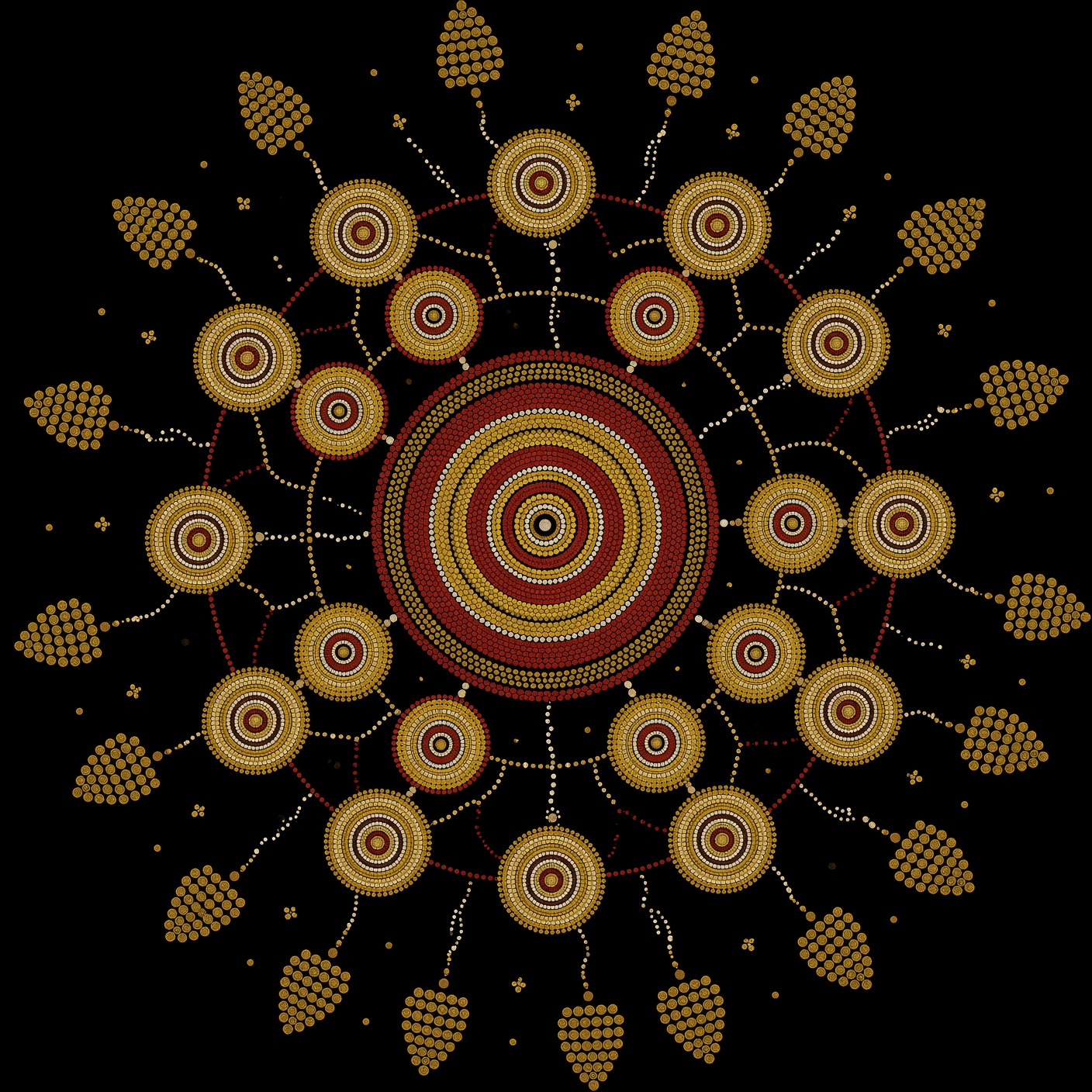
Overhead gathering ground of the triennial bunya feast as nested concentric circles and camp rings.

The Great Gathering

Ceremonial ground, overhead

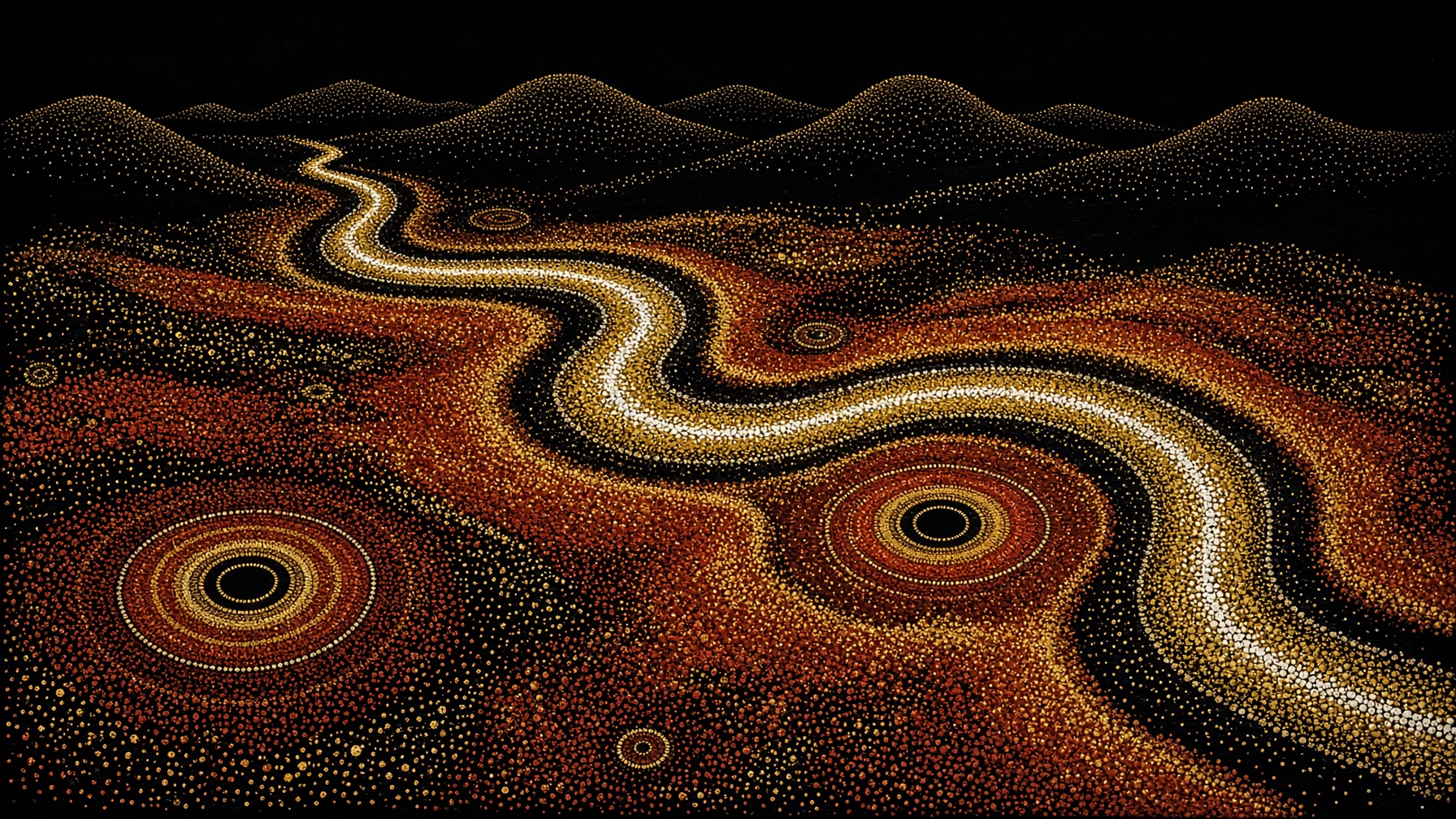
Mary River country as a winding path of gold and white dots through red earth and bunya ridges.

Mary River Country

River as songline

Room III

A life in the record

Primary sources from the 1840s and 1850s — explorers, the Native Police, the Crown Lands office, the Moreton Bay Courier — keep intersecting one man they could not easily hold.

January · Bunya Mountains

Bunya feast and initiation

Fahy reaches the Bunya Mountains at the triennial bunya feast, just as the first sustained armed resistance by Aboriginal groups to European pastoral expansion in south-east Queensland is beginning. Over the following winter he is formally initiated at the Boorool (bora) ground, scarred with the Moolgarra body markings of the adopting clan, and given the name Gilburri.

Room IV

The meaning of Gilburri

Two main etymologies appear in the public record, and they are not the same story. A third reading circulates in popular biography. Spellings wander with the scribes: Gilburri, Gilbury, Gilbey, Gillburri, Gilberry, Gilvery.

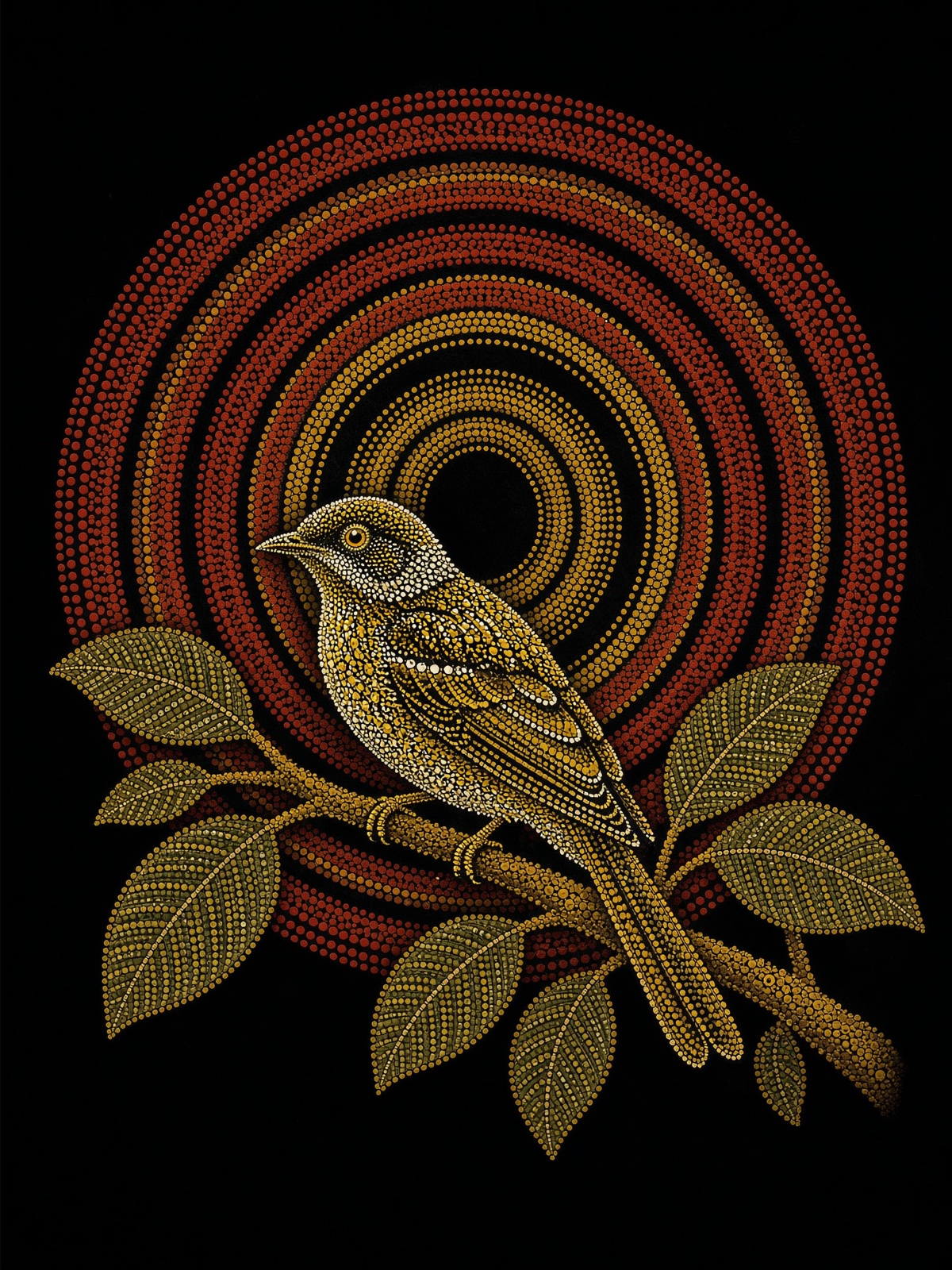
A bellbird formed of gold and white dots against concentric ochre rings on black — the name returned from the dead.

Gilburri

Bellbird · totemic reading

Archibald Meston

The bellbird

The Genesis of Toowoomba

Meston recorded that the local tribe called him Gillburri — the bellbird — and that this was the name under which he remained until brought to Brisbane in December 1854. It is the most widely repeated translation in popular sources.

Des Crump

Bellbird back from the dead

Gamilaraay linguist · State Library of Queensland

Crump reads Warri / Gidhabal lists as gil / kil (to die or be dead) plus buri (to come back). The interpretation is bound to a specific adoption story: an old chief’s son had been killed in battle, and the chief took Fahy to be that son returned — sparing his life and scarring him into the clan.

PeoplePill / popular biography

White-throated needletail

Kabi gloss

A third reading glosses Gilbey as a Kabi word for the white-throated needletail, a fast-flying swift. Academic-style sources treat the Meston–Crump debate as the principal one.

Room V

Ubee Ubee, Dundalli, Gregory

Mary River country as a winding path of gold and white dots through red earth and bunya ridges.
Mary River CountryMary River · capture country

Arthur Halloran, Commissioner for Crown Lands in the Wide Bay–Burnett, reported in 1854 that a white man known as Gilburri, “who for the last fifteen years has been living among the Aborigines, and who is said to have instigated them to commit depredations,” had been captured by Sub-Lieutenant Bligh.

Fahy was delivered to Brisbane. A widely cited account places him, five days after capture, in the same cell as Dundalli — hanged on 5 January 1855 for the murder of sawyer William Boller. The two men regarded each other as tribal brothers. Wikipedia’s Dundalli entry also corroborates a separate meeting in June 1842, before Fahy reached the Bunya Mountains.

The court sent him to Cockatoo Island, not the gallows. Gregory needed an experienced bushman. The deal was a pardon for a guide. Fahy accepted.

Room VI

The living line

The modern Gilburri Fahy uses the name publicly because the historical Gilburri is one of the most thoroughly documented examples in colonial Australian history of a European being formally adopted into an Aboriginal community — not merely living alongside one, but receiving tribal markings, a totemic name, and a recognised place in the clan’s spiritual order. That adoption sits at the centre of a wider story of Irish–Aboriginal alliances during the frontier-war period.

Podcast

Waka Kabi Bara

A language-learning podcast for Waka, Kabi and Jinibara descendants. Episodes include a 1985 interview with Aunty June Bond on the early history of Sherbrooke, and a series titled The Kabi Genocide: Deportation to Barambah.

Country

Against Borumba

From 2024 to 2026, a public advocate against the proposed Borumba pumped-hydro scheme on the Mary River — a 2,000 megawatt, $14.2–18.4 billion project whose full commercial operation has been pushed from 2032 to 2035. In July 2026 he published the long-form piece The Billion Dollar Battery versus the Ginger Mafia: The Hidden War for the Mary River.

Essay

Dingoes, 1854

Co-author, with Hooker Yikin Tomo, of the 2024 essay Witcher: Debunking the Myth — Dingoes didn’t arrive from Asia 4,000 years ago. It uses 1854 records of Gilburri’s group — 101 men and boys, 89 women and girls, 22 dingoes living together — to argue for an Indigenous Australian origin of the dingo.

Based in the Greater Brisbane area, with posts geotagged to Imbil — a small town roughly thirteen kilometres from the proposed Borumba Dam site. Digital designer, 1995-certified database engineer, and Kabi family researcher of the 1830s–1902 Wide Bay period.

Room VII

Sources

  1. 1
    Gilburri

    Wikipedia biographical article on John Fahy (28 March 1814 – 23 December 1902).

  2. 2

    Tom Petrie’s Reminiscences of Early Queensland

    Lists three convicts who escaped and lived with Aboriginal people: James Davis (Duramboi), Bracefield (Wandi), and Fahy (Gilbury).

  3. 3

    Archibald Meston, The Genesis of Toowoomba

    Records that the first white man to stand on Mowbullan and see the bunya feasts was John Fahy, adopted and named Gillburri — the bellbird.

  4. 4

    Des Crump, State Library of Queensland

    Linguistic reading of gil/kil + buri: bellbird that has come back from the dead.

  5. 5

    Frederick Walker, Native Police

    Reports of 1846 and October 1854: tracks concealed; women walking over footprints.

  6. 6

    Lt John O’Connell Bligh

    Capture report, 20 December 1854, Ubee Ubee flats on the Mary River, sixteen miles from Barambah Station.

  7. 7

    Arthur E. Halloran

    1854 report on Aborigines, Commissioner for Crown Lands, Wide Bay–Burnett.

  8. 8

    A. C. Gregory expedition journals

    1855–56 North Australian Exploring Expedition; pardon dated 27 April 1857.

Oral history — the two lives of Gilburri

0:00 / 14:18